If you picture beach ownership as a quiet house set far back from everything, a cottage in Seaside may feel very different. Here, the appeal is less about retreating from daily life and more about stepping into a walkable, design-forward town where the beach, dining, shops, and gathering spaces are all closely connected. If you are considering buying in Seaside, it helps to understand not just the home itself, but what everyday ownership actually feels like. Let’s dive in.
Seaside Cottage Living at a Glance
Owning a cottage in Seaside means living in a town that was intentionally planned around community life, movement on foot, and a slower pace. According to Seaside’s official history, the town began in 1981 with two houses and a single street and has grown into a community of more than 300 homes, shops, restaurants, and galleries.
That planning still shapes the ownership experience today. Seaside’s official materials describe a compact town that is about a 10-minute walk from end to end and about a five-minute walk from the town center. In practical terms, that means your day is often built around short walks and bike rides rather than hopping in the car.
What Daily Life Feels Like
One of the biggest draws of owning in Seaside is how connected everything feels. The town center includes retail, groceries, restaurants, cafes, and upper-level residential space, all within a mixed-use core tied closely to Central Square.
That layout changes your routine in a simple but meaningful way. A coffee run, lunch, beach access, and an evening event can all happen within the same small area. Instead of planning separate errands and outings, your day tends to unfold in one continuous loop.
Seaside also has a steady event rhythm that adds to the experience of ownership. The Seaside Farmers Market takes place in the Amphitheater from 9 a.m. to 1 p.m. on Saturdays year-round, with Tuesdays added in June and July. Sounds of Seaside brings live music to Central Square, and Central Square Cinema offers outdoor movies on the Lyceum Lawn.
For many owners, that means the town often feels lively rather than sleepy. If you enjoy being able to walk out your door and find activity nearby, this can be a major advantage. If you want a more tucked-away beach setting, it is an important lifestyle detail to weigh.
Walkability Shapes the Experience
In Seaside, walkability is not just a nice feature. It is part of the town’s identity. Official town materials say narrow streets and white-sand footpaths make walking and biking feel more natural than driving.
That matters because it changes how you use your home. You are not simply buying four walls and a lot. You are buying into a setting where the route to dinner, the path to the beach, and the walk to the square are all part of daily life.
For out-of-area buyers, this is often one of the first things to understand clearly. Seaside lives best for people who want to be immersed in the town itself, not just near it.
Cottage Design Is Part of the Lifestyle
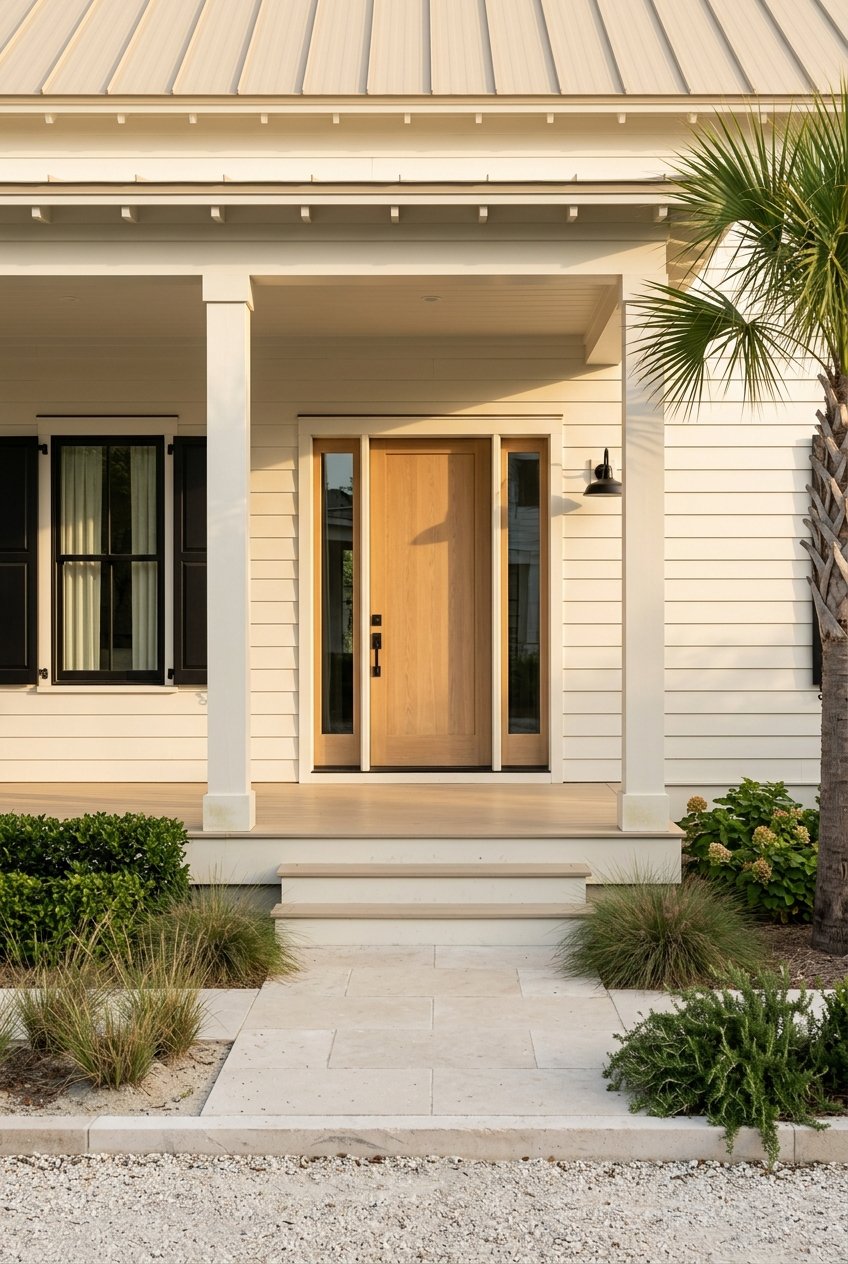
Seaside cottages are tied closely to the town’s architectural rules and public-space design. The Seaside Institute explains that the code requires small houses with front porches on small lots, creating a built environment that encourages connection with neighbors and shared spaces.
That design is a big part of why Seaside feels so distinct. Official history from the town notes that homes use indigenous or locally rooted materials, front porches, and native landscaping. The code allows variety, but it keeps key elements in place, such as wood siding, a metal roof, or a front porch.
For you as an owner, this often means the home extends beyond the interior walls. The porch becomes part of how you live. The walk to the beach matters. The shared gathering spaces become part of your usable environment.
Shared Spaces Matter More Than Big Yards
If you are used to suburban living, one adjustment may be the tradeoff between private yard space and shared community space. Seaside’s planning model places more emphasis on Central Square, Ruskin Place, and the beach pavilions as outdoor rooms for the town.
In other words, the lifestyle here is not centered on a large backyard. It is centered on porches, paths, squares, and public gathering places. For many buyers, that is exactly the point.
Along the Gulf edge, Seaside has nine beach pavilions that serve as beach access points, landmarks, and gateways to the water. Those features are not just functional. They are part of the visual identity and daily rhythm of living in town.
Dining and Shopping Stay Close By
Another part of owning a Seaside cottage is the convenience of having dining and shopping woven into the town center. Seaside’s dining offerings range from casual Airstream Row concepts to Gulf-side restaurants and table-service spots.
That variety supports a more spontaneous lifestyle. You can keep things simple with a quick bite, meet friends for dinner, or walk into the square for an easy change of pace without making it a major outing.
Independent retail is also concentrated near Central Square, which reinforces the small-town feel. For many owners, this makes the town feel active and usable in a way that goes beyond vacation appeal.
Privacy Is Different Here
A common buyer question is how private a Seaside cottage feels. The honest answer is that privacy here usually looks different than it would in a more conventional neighborhood.
Because Seaside emphasizes front porches, small lots, and shared public spaces, the setting is generally less private in the suburban sense. You are more connected to the street, the footpaths, and the town’s public life.
That does not make it a drawback. It simply means the right fit depends on what you value most. If you want architectural character, walkability, and a socially active environment, this layout may feel ideal. If your priority is distance from neighbors and a large private outdoor area, you may experience the town differently.
Location Within Seaside Can Change the Feel
Not every cottage in Seaside will live the same way. Proximity to Central Square can be a real benefit because it puts dining, retail, events, and beach access close at hand.
At the same time, homes nearer the center may experience more foot traffic and more ambient activity because Seaside’s homes, public spaces, and events are tightly linked. That is not a flaw. It is simply part of understanding how micro-location shapes daily life.
This is where local guidance matters. When you are comparing properties, it helps to look beyond square footage and finishes and focus on how each location connects to the square, the beach, and the town’s most active areas.
Parking Is a Real Lifestyle Factor
Because Seaside is so walkable and active, parking is one of the most practical ownership considerations to understand. The town’s parking page lists hourly pricing at $5 from 8 to 10 a.m., $7 from 10 a.m. to 7 p.m., and $5 from 7 to 9 p.m. Seaside also uses designated paid parking areas, text-to-pay, the Passport Parking app, and a complimentary shuttle.
The shuttle runs daily from 6 a.m. to midnight, with a designated lot off Highway 331 South and drop-off in the heart of Seaside. The town also notes that guests staying in Seaside Town Center receive parking passes through vacation rental agencies.
For you as an owner, the key takeaway is that Seaside is designed first around pedestrian movement, not a car-centered routine. That supports the town’s character, but it is still important to understand the parking setup as part of everyday logistics.
Who This Lifestyle Fits Best
A Seaside cottage tends to suit buyers who value walkability, architectural character, beach access, and a socially active town center. It can be a strong fit if you want a home that feels woven into the life of the community rather than separated from it.
That may appeal to second-home buyers who want an easy family rhythm, or to buyers who see value in owning within one of 30A’s most recognizable planned communities. It can also appeal to those who appreciate design and want a property where the broader setting is part of what they are buying.
The clearest way to think about it is this: in Seaside, ownership is as much about the town as it is about the cottage. If that sounds like what you are looking for, the experience can feel very rewarding.
If you are thinking about buying or selling in Seaside, having local perspective makes a big difference. Katie Robinson can help you evaluate how a specific cottage lives day to day, how location within town affects the experience, and how to make a confident move along 30A.
FAQs
What is daily life like in a Seaside cottage?
- Daily life in a Seaside cottage often centers on walking or biking to the beach, Central Square, restaurants, shops, and community events rather than driving between separate destinations.
How walkable is Seaside for cottage owners?
- Seaside’s official materials say the town is about a 10-minute walk from end to end and about a five-minute walk from the town center, with narrow streets and white-sand footpaths that support walking and biking.
How private is a cottage in Seaside?
- A cottage in Seaside is usually less private in the suburban sense because the town emphasizes small lots, front porches, and shared public spaces over large private backyards.
What outdoor spaces matter most in Seaside?
- For many owners, the most important outdoor spaces are the front porch, the paths through town, Central Square, Ruskin Place, and the nine beach pavilions that connect the town to the Gulf.
What should buyers know about parking in Seaside?
- Buyers should know that Seaside uses designated paid parking areas, hourly parking rates, text-to-pay and app-based payment options, and a complimentary shuttle that runs daily from 6 a.m. to midnight.
Who is a Seaside cottage best suited for?
- A Seaside cottage is generally best suited to buyers who value walkability, beach access, architectural character, and an active town center more than a private, car-centered neighborhood layout.