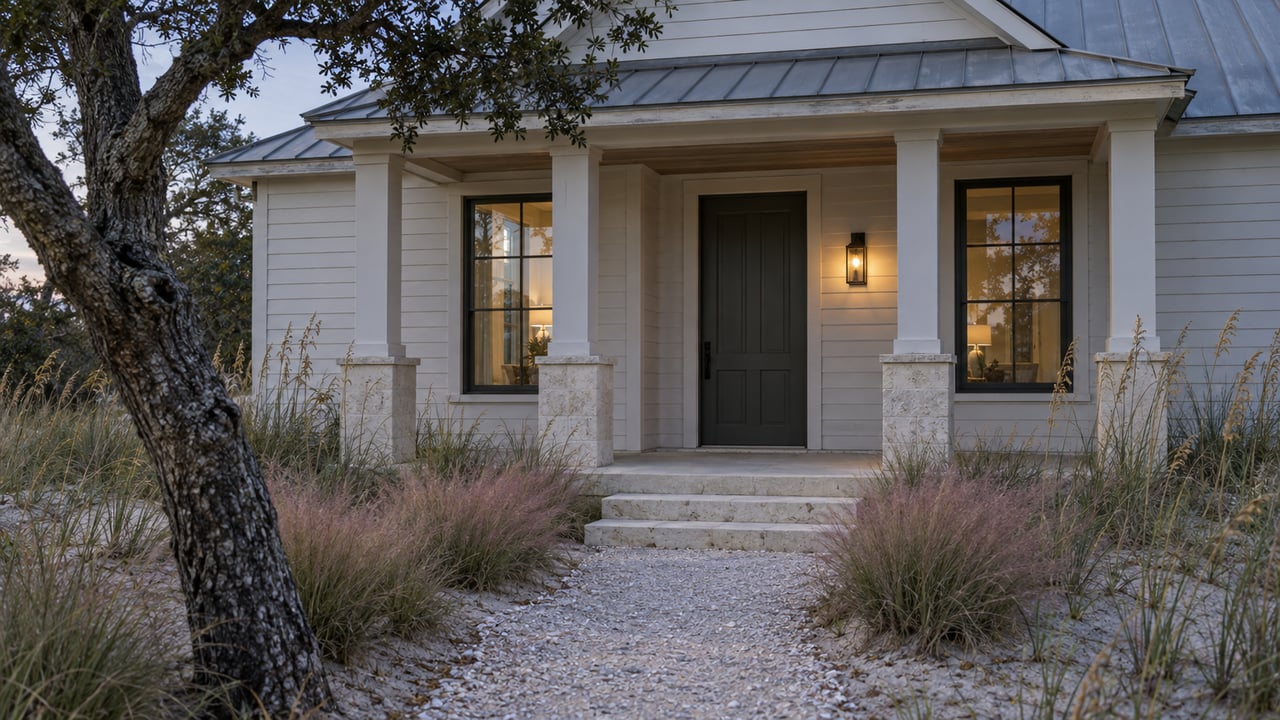
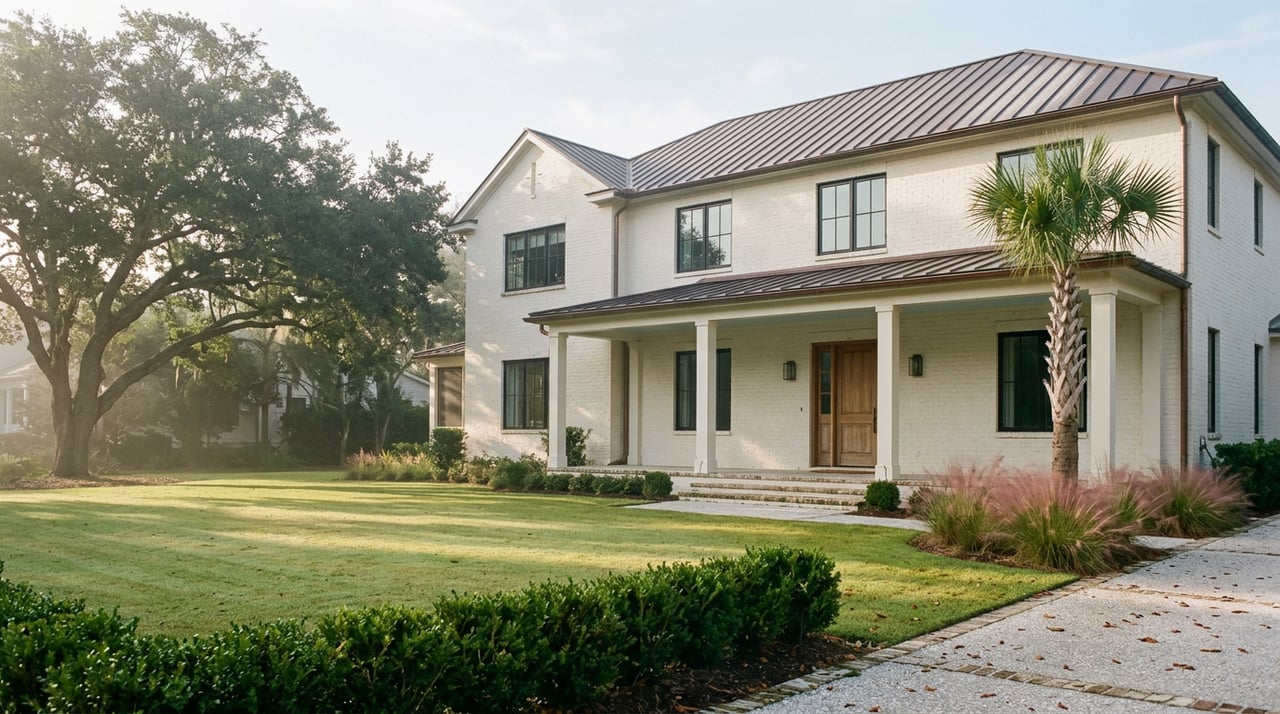
Picture two listing sheets side by side. One shows a home in Watersound Origins with HOA dues of $2,350 a year. The other shows a home in Watersound Camp Creek with HOA dues of $300 a quarter, or $1,200 a year. On paper, Camp Creek looks like the better deal. A buyer scanning both sheets would reasonably conclude that Origins costs almost twice as much to own.
That conclusion would be backwards, and the reason why says a lot about how Watersound is actually structured.
There's no CDD line to warn you
If you've shopped new construction anywhere else in Florida, you've probably learned to look for a Community Development District assessment on the tax bill. That's the mechanism most master-planned communities use to finance roads, drainage, and amenities: a developer issues bonds, and homeowners repay them over 20 to 30 years through a non-ad valorem line item that shows up every November.
Watersound doesn't run on that system. There's no CDD bond assessment sitting on the tax bill waiting to surprise you at your first escrow analysis. Instead, the cost of building and running the amenities is carried through two different channels: the HOA and a separate entity called the Watersound Club. Depending on which neighborhood you're in, those two channels behave in completely different ways, and that difference is where the real math lives.
What the HOA dues actually include
In Watersound Origins, the $2,350 annual HOA assessment isn't just landscaping and streetlights. According to the community's own FAQ, that fee bundles an amenity charge that automatically enrolls every homeowner in an Origins-level Watersound Membership. That membership covers the pool and fitness center at Village Commons, the dock at Lake Powell, and the Origins Golf Course, a six-hole layout that also plays as a ten-hole par-3 course, designed by Love Golf Design, the firm founded by Davis Love III. You close on the house, and the golf course, the dock, and the fitness center come with it. No separate application, no additional check to write.
Watersound Camp Creek works differently. The HOA dues are lower at $300 a quarter, collected by the management company RCAM Florida, but that fee covers community upkeep only. Watersound Club membership is not included and not optional. The developer's own FAQ for Camp Creek states plainly that membership is a requirement for lot owners, and that if a buyer doesn't submit the membership application to the Membership Office within 24 hours of receiving it, the purchase agreement can be terminated. That's a closing contingency with a same-day clock attached to it, buried inside a document most buyers don't read until they're already deep into a transaction.
The number that changes everything
Once you add the mandatory membership, the comparison flips.
Camp Creek owners choose between two Watersound Club tiers. Beach & Sport is available exclusively to Camp Creek owners and includes the Watersound Beach Club, the Camp Creek racquet center, the wellness center, and Club dining, without the three championship golf courses. Lifestyle includes all of that plus golf at Camp Creek Golf Club, a Tom Fazio design, Shark's Tooth, a Greg Norman design, and The Third, a Davis Love III course that opened in 2025, with cart and green fees rolled into the monthly dues.
Current figures put Lifestyle membership at a $75,000 initiation fee with no increase announced, plus monthly dues in the neighborhood of $1,200, or roughly $14,400 a year. Add that to the $1,200 in HOA dues and a Camp Creek buyer who wants the golf-and-beach-club lifestyle the neighborhood was built around is looking at $75,000 up front and roughly $15,600 a year after that. Over a decade of ownership, that's more than $200,000 on top of the house itself.
Here's the table that actually matters for comparing the two neighborhoods:
| Watersound Origins | Watersound Camp Creek | |
|---|---|---|
| Annual HOA dues | $2,350 ($585/quarter) | $1,200 ($300/quarter) |
| Club membership | Origins-level access bundled into HOA | Required as a condition of ownership |
| What's included without upgrading | Village Commons pool and fitness, Lake Powell dock, Origins Golf Course | Community upkeep only, no amenities until Club membership is finalized |
| Cost to add full Beach Club and championship golf | $75,000 initiation plus roughly $14,400/year, optional | $75,000 initiation plus roughly $14,400/year, mandatory |
The Origins buyer who's happy with the included package pays $2,350 a year and is done. The Camp Creek buyer pays $1,200 in dues and then owes a five-figure initiation fee before the closing agent will let the deal proceed, whether or not they ever plan to golf.
None of this makes Camp Creek a worse investment. It's a different product built around the assumption that if you're buying there, you want the estate-size lots, the private beach club, and 54 holes of private golf badly enough for the entry cost to read as a feature rather than a tax. It just means the HOA line item on the listing sheet is not the number to compare. The Club membership requirement is, and it doesn't show up until you ask for it in writing.
The rental rule follows the same design logic
The same inland-versus-beachfront split that shapes the cost structure also shapes what you're allowed to do with the property. Watersound Origins, including the gated NatureWalk section, requires a minimum lease term of six months community-wide. There is no path to nightly or weekly rental income here, and the developer built it that way intentionally, aiming for a full-time and second-home resident base rather than vacation turnover. Watersound Camp Creek carries the same restriction under its own covenants, keeping short-term and vacation rentals off the table.
Watersound Beach is the outlier. It permits both long-term and short-term rentals, subject to Walton County's countywide short-term rental permitting rules, which is part of why its ownership costs and its Watersound Club membership economics look different again from Origins and Camp Creek.
If a rental income component matters to your plans, that single fact should narrow your search before you ever look at a floor plan. If it doesn't, Origins and Camp Creek both deliver a quieter, resident-driven neighborhood, just at very different price points once the Club is factored in.
What to ask for before you write an offer
A few documents and questions will tell you everything the marketing brochure won't:
- The current HOA budget and reserve study for the specific sub-association tied to the address, not just the community-wide figure
- Written confirmation from the Watersound Club Membership Office on current initiation fees and monthly dues by tier, since the Club does not publish a public dues schedule and figures can change
- Whether the property is in a phase where Club membership is bundled, optional, or mandatory as a closing condition
- The resale package or estoppel certificate showing current assessments and any arrears
- If you're buying in Camp Creek, written confirmation of the membership application timeline so a 24-hour window doesn't catch you mid-move
FAQ
Does Watersound charge a CDD fee? No. Based on the public HOA and Club FAQs for Origins and Camp Creek, ownership costs run through HOA dues and Watersound Club membership rather than a Community Development District bond assessment, which is the financing structure used in many other Florida master-planned communities.
If I buy in Watersound Origins, am I required to join the Watersound Club? Origins-level membership is already bundled into your HOA dues and covers Village Commons, the Lake Powell dock, and the Origins Golf Course. A separate application and additional fees only come into play if you want to upgrade to full Beach Club and championship golf access.
Can a Camp Creek owner get Beach Club access without paying for golf? Yes. Camp Creek owners can choose the Beach & Sport membership tier, which is exclusive to Camp Creek and includes the Beach Club, racquet sports, the wellness center, and Club dining, without the three championship golf courses included in the Lifestyle tier.
Whichever side of 30A you're weighing, the sticker on the HOA statement is only the first page of the math. If you're comparing homes across Watersound, Seagrove, or anywhere else along the corridor and want the full cost picture before you write an offer, Katie Robinson can walk you through what each community actually requires, in writing, before you're standing at the closing table with a 24-hour clock running.