
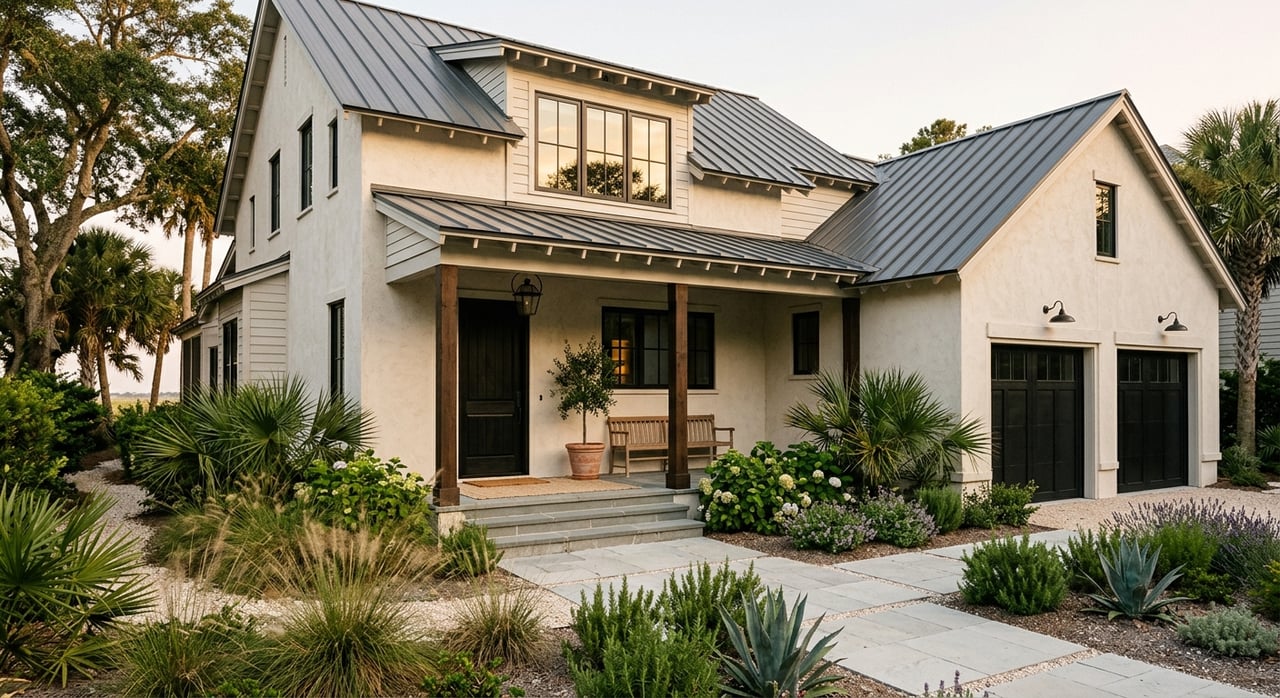
Thinking about buying in Seagrove Beach from out of state? You are not alone, and you are not wrong to feel like a coastal purchase comes with extra moving parts. Between travel planning, fast contract deadlines, flood-zone questions, and short-term rental rules, it will help to have all the info up front. This guide will show you how Seagrove lives, what to verify early, and where local guidance can save you time and stress. I have built a home in Seagrove and lived in the heart of it for years. I know truly all it takes to make the move.
Why Seagrove Appeals to Out-of-State Buyers
Seagrove is one of South Walton’s 16 beach neighborhoods, and it offers a setting that draws both lifestyle buyers and investment-minded buyers. Visit South Walton describes the area as a Gulf Coast beach community with sugar-white beaches, family-run businesses, neighborhood cottages, amenity-rich lodging, and a canopy of live oaks and magnolias.
You also get a setting that feels connected to the broader 30A corridor. Seagrove includes access to the Timpoochee Trail, an 18.5-mile trail that runs through 30A, and it is home to Eastern Lake, one of South Walton’s coastal dune lakes. For many buyers, that mix of beach access, outdoor recreation, and established neighborhood character is a big part of the appeal.
If you are flying in to house hunt, travel logistics are manageable. Walton County notes that Seagrove is about 35 miles from both Northwest Florida Beaches International Airport (ECP) and Destin-Fort Walton Beach Airport (VPS), which can make planning a focused buying trip easier. I know of a great little one bedroom home in the heart of Seagrove for rent to really live the Seagrove life.
What Seagrove Feels Like on the Ground
Seagrove is not just a pin on a map. It has an older development pattern that dates back to the early 1920s. That history still shapes the area today, especially in the way homes, streets, and beach access points fit into the neighborhood.
For you as a buyer, that means local context matters. Walton County’s neighborhood plan reflects an ongoing emphasis on preserving residential character, along with neighborhood-level standards related to parking and noise. In a coastal market like Seagrove, ownership can involve more than broad countywide rules, so it is smart to understand both the property and the surrounding area before you commit.
Beach access is also a practical part of daily life and long-term value. In April 2026, Walton County opened the Seagrove Regional Beach Access at 3910 E. County Hwy. 30A with parking, restrooms, a dune walkover, rinse showers, and connectivity to the multi-use path. If convenience and usability matter to your purchase, details like this can shape how a property works for you and your guests. Seagrove has numerous beach access in a short distance making any home in Seagrove an easy walk to the beach.
Why Remote Buyers Need a Tighter Plan
Buying from another state usually means you have less time on the ground and less room for delay. In Florida, that matters because standard residential contracts use calendar days, not business days. If a deadline lands on a Saturday, Sunday, or legal holiday, it moves to the next non-holiday day.
That sounds simple, but the timeline moves fast. On the current FR/Bar AS IS form, the inspection period defaults to 15 days after the effective date if left blank, the financing application deadline defaults to 5 days after the effective date, and the loan approval period defaults to 30 days. For an out-of-state buyer, those windows can close quickly if inspectors, contractors, surveyors, and lenders are not lined up early.
The same form also gives buyers 5 days after receiving the title commitment to review title, and the final walk-through typically happens the day before closing or on closing day. If the property is subject to a lease or post-closing occupancy, the seller is expected to disclose that information within 5 days after the effective date. That is especially important in Seagrove when a property may already be in a rental program or have seasonal occupancy.
What to Do Before You Make an Offer
A little preparation goes a long way when you are buying remotely. Before you write an offer, it helps to narrow your goals and identify the local checks that matter most.
Here are a few smart first steps:
- Decide how you plan to use the property: second home, primary residence, investment, or a mix.
- Confirm whether short-term rental use is important to you.
- Plan a focused visit around neighborhoods, beach access, and the property types that fit your goals.
- Be ready to move quickly once you find the right fit.
- Have your lender, insurance agent, inspector, and other key vendors ready early. (I can help with all of those)
This is where strong local coordination can make a real difference. When you are back home, you need someone who can keep the process moving, track dates, and help you verify details that are harder to manage from a distance.
Flood Risk Should Be Verified Early
In Seagrove, flood risk is one of the first things to confirm. FEMA states that the Special Flood Hazard Area is where mandatory flood-insurance purchase requirements can apply, and homes in high-risk flood areas with government-backed mortgages are generally required to carry flood insurance. FEMA also notes that most standard homeowners policies do not cover flood damage.
Walton County says South Walton’s current flood insurance rate map became effective on December 30, 2020. The county’s interactive mapping tools include flood zones, wetlands, parcels, and future land use, which makes them useful during due diligence. Walton County also participates in FEMA’s Community Rating System with a Class 6 rating, which provides a 20% discount on new or renewing flood insurance policies for Special Flood Hazard Area properties.
The current FR/Bar AS IS contract separately tells buyers to verify flood zone, elevation certification, lender insurance requirements, and rebuild restrictions before closing. That is a helpful reminder that flood questions are not just about today’s premium. They can also affect financing, future costs, and how you evaluate the property overall.
Short-Term Rental Rules Matter
If vacation-rental income is part of your plan, you should verify rental legality before writing an offer. Walton County requires annual registration for short-term vacation rentals and defines a short-term rental as a unit rented more than three times in a calendar year for periods of less than 30 days or one calendar month.
The county also requires a signed compliance affidavit and a 24/7 responsible party who can respond within one hour. For out-of-state buyers, that requirement alone shows why local support matters. If you plan to rent the property, you will want clarity early on about how the property is set up and who will help manage compliance.
Walton County also notes that some owner-occupied homestead properties may be exempt, while condos, HOAs, and certain multifamily developments can have different rules or exemptions. That means rental assumptions should never be based on a listing description alone. You want to verify the specific property, the specific community, and the specific use you have in mind.
Property Taxes Can Change After Closing
One of the most common surprises for out-of-state buyers is the tax bill after purchase. Walton County says the previous owner’s exemptions do not transfer to a new owner. A change in ownership removes the prior Save Our Homes benefit and resets the assessed value to market value.
If you plan to make the property your Florida residence, timing matters. Walton County says new owners must establish Florida residency before January 1 of the exemption year, and exemption applications are due by March 1. Save Our Homes portability is also limited to three tax years after relinquishing a prior homestead.
The FR/Bar AS IS form separately warns buyers not to rely on the seller’s current property taxes because reassessment after a sale or improvement can increase the tax bill. In other words, you should underwrite ownership costs based on your likely future tax picture, not the seller’s current one.
Older Coastal Homes Need Extra Review
Seagrove’s charm often includes older cottages, remodels, and additions. That can be part of the appeal, but it also means a property may have more permitting history than the photos suggest. The current FR/Bar AS IS form flags open permits as something the seller should disclose and help close out.
The same contract also expects buyers to review HOA or community disclosures before signing when one applies. If you are considering a condo, a home in a managed community, or a property with a renovation history, these documents can be just as important as the inspection itself.
For remote buyers, the key is sequencing. You do not want to wait until late in the process to start asking about permits, leases, occupancy, flood status, or community rules. Getting those questions moving early gives you more time to evaluate what you are buying and whether it still fits your goals.
A Smart Seagrove Buying Checklist
If you are buying from out of state, this simple checklist can help you stay focused:
- Confirm your intended use of the property.
- Review likely travel logistics for showings, inspections, and closing.
- Understand contract deadlines in calendar days.
- Line up inspectors, surveyors, and specialty vendors early.
- Verify flood zone and insurance-related requirements.
- Check short-term rental status and local compliance requirements.
- Review lease or occupancy details if the property is tenant-occupied or in a rental program.
- Estimate post-closing property taxes based on reassessment, not the current bill.
- Review HOA, condo, or community disclosures before signing when applicable.
- Ask about open permits, prior work, and unresolved property issues.
Why Local Guidance Matters in Seagrove
Seagrove offers the beach-town feel many buyers want, but buying here still requires a clear plan. The process can move quickly, and the most important questions are often local: flood mapping, rental compliance, beach access, neighborhood standards, title review, occupancy details, and permitting history.
That is why out-of-town buyers often benefit from a local advisor who can do more than open doors. You want someone who understands the 30A corridor, knows how Seagrove fits within South Walton, and can help coordinate inspections, track deadlines, and keep local vendors moving when you are not in town.
With the right strategy, you can enjoy the lifestyle Seagrove is known for while making a more confident purchase decision. Whether you are buying for personal use, long-term legacy, or vacation-rental potential, clarity upfront can save you time, money, and stress later.
If you are exploring Seagrove from out of state, Katie Robinson can help you evaluate properties with local insight and hands-on guidance every step of the way.
FAQs
What makes Seagrove Beach appealing to out-of-state buyers?
- Seagrove offers a classic South Walton setting with sugar-white beaches, established neighborhood character, access to the Timpoochee Trail, and proximity to Eastern Lake, while still being reachable from two regional airports about 35 miles away.
What contract deadlines should an out-of-state buyer know in Seagrove Beach?
- Florida’s standard residential contracts typically use calendar days, with key default periods that can include 15 days for inspections, 5 days for financing application, 30 days for loan approval, 5 days to review title after receipt, and a walk-through the day before or day of closing.
Why should Seagrove Beach buyers verify flood zones before closing?
- Flood zone status can affect insurance requirements, financing, ownership costs, and rebuild considerations, and Walton County’s mapping tools can help buyers review flood zones, wetlands, parcels, and land use during due diligence.
Can an out-of-state buyer use a Seagrove Beach home as a vacation rental?
- Possibly, but you should verify the property’s specific status before making an offer because Walton County requires annual short-term rental registration and certain properties may have different rules based on homestead status, condo rules, HOA rules, or development type.
Why can property taxes change after buying in Seagrove Beach?
- Walton County states that a change in ownership resets assessed value to market value and prior owner exemptions do not transfer, so your future tax bill may be higher than the seller’s current taxes.
What local issues should buyers review for older Seagrove Beach homes?
- Buyers should pay close attention to open permits, renovation history, lease or occupancy details, flood information, and any HOA or community disclosures that apply to the property.